Wholesale & Private Label
Natural Materials, Specific Claims, Clear Evidence
We focus on coffee wood, coconut fiber, hemp and loofah. Responsible sourcing copy should explain what the selected product contains and what evidence supports each claim.
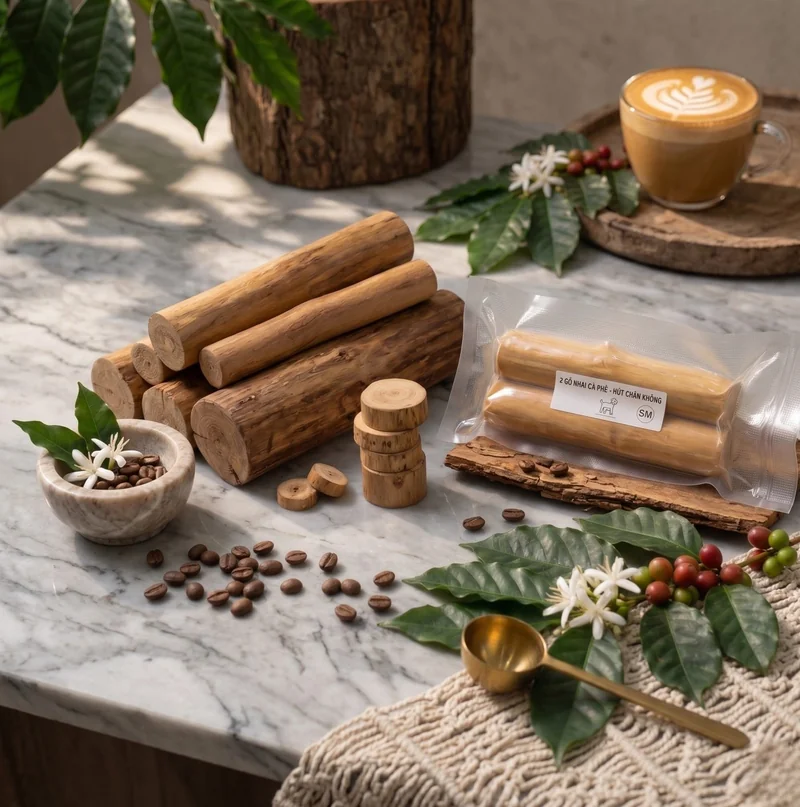
Different materials, different sourcing stories
| Material | Supported starting description | Evidence to request |
|---|---|---|
| Coffee wood | Timber from mature coffee trees described in the product information | Sourcing location, material identity and removal/reuse history |
| Coconut fiber | Fiber from coconut husks | Source and processing information for the selected supply |
| Hemp fiber | Plant-derived fiber used in rope/ball designs | Fiber identity, blends and source |
| Loofah | Dried gourd-fiber material | Cultivation/source, preparation and complete toy construction |
Hemp and loofah are not automatically by-products or waste streams. We do not apply an upcycled claim to the entire range or publish carbon savings without a defined assessment.
Product and packaging must be checked separately
Review every component: wood or fiber, internal core, thread, glue, filling, paint, ink, coating, tag and wrapping. Packaging can be discussed in bulk, individual or paper/kraft formats. Vacuum film, laminated paper and coated boxes should not be described as plastic-free without confirmation.
Charcoal and silica gel are different desiccants; replacing the contents of a sachet does not establish that its outer packet or the shipment is plastic-free. Agree moisture protection on performance and the actual packaging specification.
Biodegradability requires conditions and scope
Material origin does not by itself substantiate a whole-product disposal claim. Define the component, disposal environment, time period and test evidence before using biodegradability or compostability language. See the FTC environmental-claims guidance.
No product-wide compostability certificate or fixed decomposition time is asserted here. Do not instruct customers to bury toys or dispose of them in a compost stream unless the exact construction and local acceptance support that instruction.
What buyers can build into a sourcing brief
- A complete bill of materials for the product and the pack.
- Clear requirements for thread, cores, adhesives, dyes, coatings and plastic components.
- Specific origin/reuse statements, avoiding unverified waste-diversion or carbon numbers.
- A test or evidence plan for the environmental claim you intend to print.
- Written approval of artwork and disposal language before production.
Community-impact claims, beneficiary numbers, recycled percentages and comparative environmental advantages need their own records. They are not inferred from the location of a workshop.
Plan an eco-retail assortment or review private-label packaging.