Wholesale & Private Label
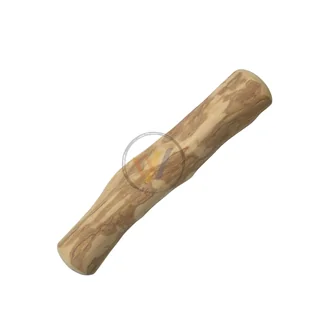
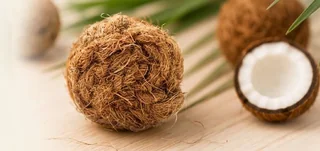
Four Natural Materials for Your Pet Toy Range
Start with the material and intended play type, then verify the complete construction. A natural ingredient is the beginning of a sourcing decision, not a finished-product certification.
Explore the material collections
Read the full bill of materials
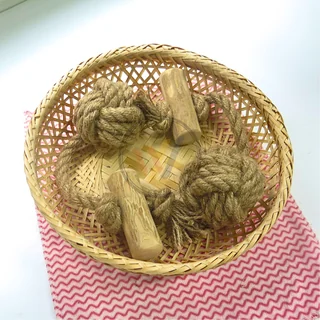
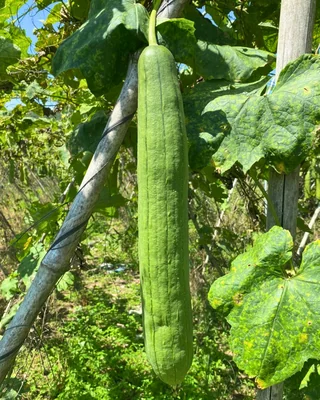
Request the primary material, core, binding thread, adhesive, filling, decoration and any surface treatment for the selected product. A wood stick with a rope is not the same construction as a plain stick, and a loofah shape with filling is not the same as a plain cut piece.
The retail pack needs its own material list. Paper boxes can include coatings or windows; vacuum bags are not automatically plastic-free.
Read the material-claim approach and testing/document scope.
From material to commercial brief
Choose the product, target pet, use, dimensions and first-order quantity. Then decide whether to use a standard wholesale design, add private-label packaging, or develop a new construction.
Compare manufacturing options or plan a mixed-material wholesale order.