Wholesale & Private Label
OEM & ODM Pet Toy Manufacturing
Turn a drawing or product idea into an agreed manufacturing specification. Start with intended use, materials and dimensions, then work through prototype and production approval.
OEM or ODM: define the scope first
| Route | Starting point | Approval focus |
|---|---|---|
| OEM | Your defined design/specification | Feasibility, tolerances and conformance to your brief |
| ODM | A design developed or adapted with the manufacturer | Prototype, construction, ownership and final specification |
| Private label | An existing approved design | Branding and packaging rather than structural development |
These terms are used differently by suppliers. The written scope, deliverables and approvals matter more than the label.
Natural-material development options
- Coffee wood: stick dimensions, surface finish, engraving and wood/rope assemblies.
- Coconut fiber: ball dimensions, winding or other coir constructions.
- Hemp: rope geometry, knots, balls and connection details.
- Loofah: silhouette, dimensions, stitching and optional fillings.
WINVN outlines design and packaging options on its OEM/ODM service page. Material, construction, tooling, test and print requirements are quoted for the specific project.
The development and approval sequence
- Brief review: target pet, play context, destination, intended claims and indicative volume.
- Feasibility: material availability, workable dimensions, manufacturing method and cost drivers.
- Prototype: review form, finish, attachments and complete component list.
- Design approval: freeze drawings, reference sample, artwork and inspection criteria.
- Production release: confirm commercial terms, timing, quality records and change control.
What to include in your OEM RFQ
| Input | Why it matters |
|---|---|
| Drawing / reference and dimensions | Makes the design and tolerance discussion concrete |
| Target pet, use and market | Informs construction, instructions and the test brief |
| Materials and excluded components | Prevents unexpected blends, cores or finishes |
| Quantity per SKU and forecast | Separates development economics from reorder economics |
| Packaging and barcode files | Defines printing, assembly and carton requirements |
| Ownership / confidentiality expectations | Allows terms to be agreed before sharing sensitive design files |
Design exclusivity, intellectual-property ownership and confidentiality are negotiated terms, not automatic benefits. Request an agreed process before sending sensitive files.
Timing and cost boundaries
| Order detail | Planning information |
|---|---|
| MOQ | Custom designs are quoted by construction and order size. The 50-piece starting MOQ is not a universal custom-development minimum. |
| Samples | Free standard samples may be available. Ask us to confirm the selection, preparation time, courier cost and any first-order shipping credit before dispatch. |
| Production lead time | Indicative production: 15–20 working days for standard orders and 25–30 for OEM/ODM, after sample, artwork and order approval. Development, testing and freight are additional. |
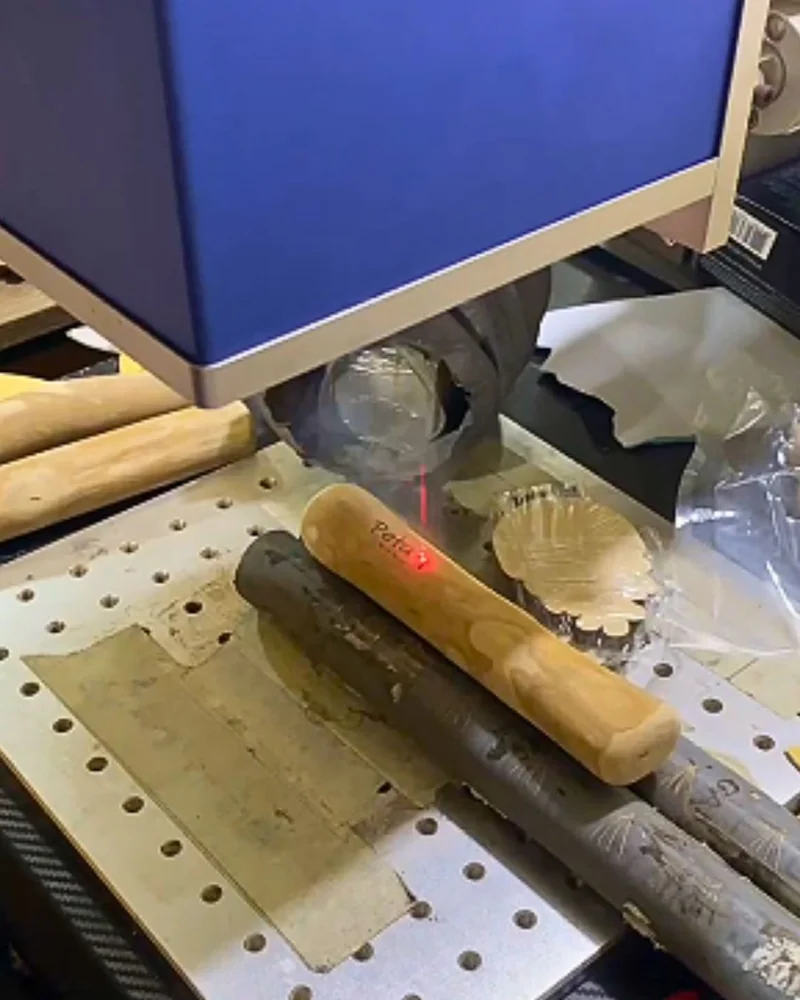
| Branding | Laser engraving on suitable wood surfaces; labels, tags and packaging for other materials. Custom work is quoted separately. |
| Packaging | Bulk bags, individual packs and paper/kraft boxes are options. Custom printed boxes may require around 200 pcs per design; confirm the current minimum. |
| Shipping | Confirm destination, Incoterm with named place, transport mode, carton data and the shipment-specific document list. Freight is not included unless stated. |
Review factory and production information, the five-stage QC workflow and testing and export-document scope before approving your order.
Buyer questions
Can you copy a competitor's design?
Provide a design you are entitled to use and describe your functional needs. Ownership and permission must be resolved before development.
Can a new design be finished in seven days?
Do not assume so. Standard sampling and custom prototyping are different stages; timing depends on complexity, revisions and testing.
Do I need a prototype for a repeat order?
Use a version-controlled approved sample. Re-sampling may be needed when materials, construction or packaging change.